The Best Types of Wood for Kitchens and How to Choose the Right One
8-4-2025
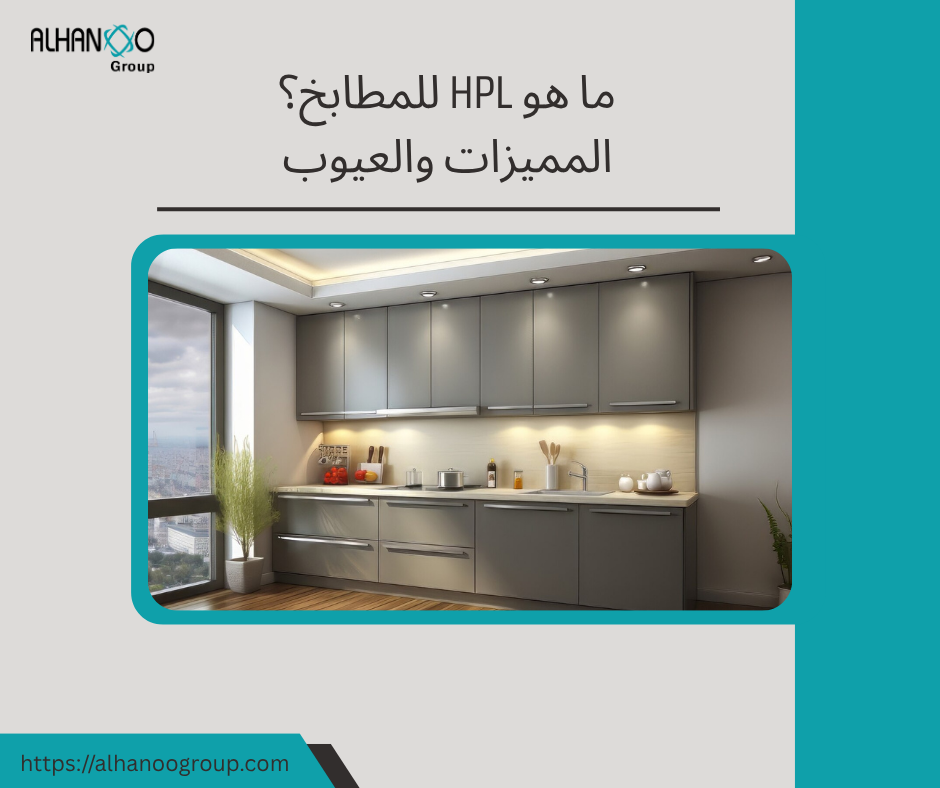
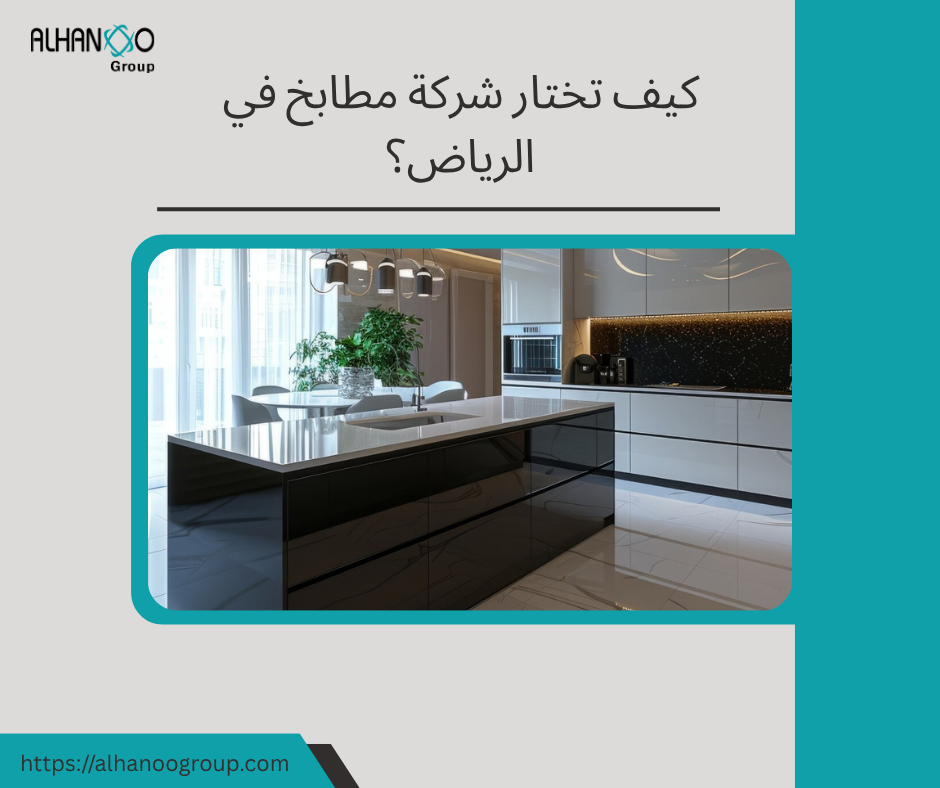
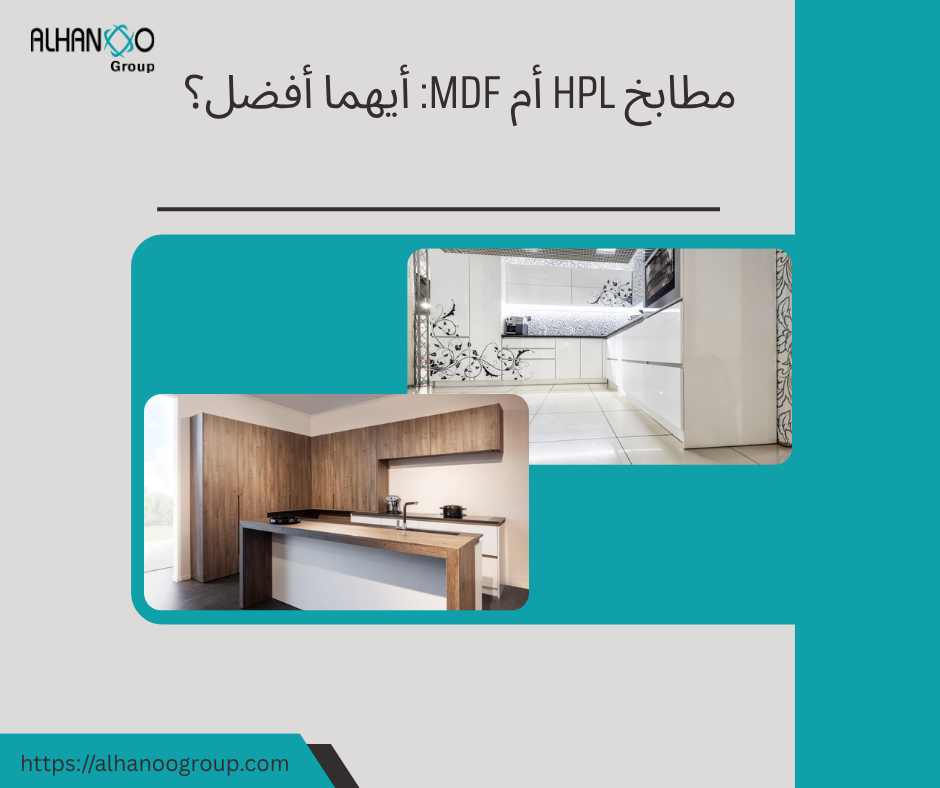
HPL is one of the most widely used materials in modern kitchen design due to its durability and strong resistance to different external factors. HPL stands for High Pressure Laminate, which is made from multiple layers of treated paper and resin compressed under high heat and pressure to create a strong and durable surface. Its role is especially noticeable in interior kitchen design, where it combines a modern appearance with practical everyday use.
HPL is mainly used as an outer layer that covers kitchen structures, whether they are made of MDF or natural wood. This surface gives the kitchen an elegant look while adding extra protection against scratches and moisture.
It is also commonly used for cabinet doors and surfaces, making it an ideal option for those who want a modern appearance without sacrificing durability. With professional interior kitchen design, this material can be used effectively to achieve the perfect balance between aesthetics and functionality.
One of the main advantages of HPL is its high resistance to scratches, which makes it suitable for heavy daily use in the kitchen. It also handles heat better than some other materials.
Another major advantage is its resistance to moisture, which is extremely important in a kitchen environment where steam and water are constantly present.
In addition, HPL is available in a wide range of colors and designs, giving homeowners greater freedom in choosing the style that suits them best. This is where interior kitchen design plays a major role in coordinating these colors in a harmonious way.
HPL is also very easy to clean, as it can simply be wiped with a cloth without the need for special cleaning products, making it a practical choice for families.
Another benefit is that it is generally more affordable than some premium materials while still maintaining good quality, which makes it a relatively budget-friendly option.
Despite its many benefits, HPL does have some disadvantages. One of the main drawbacks is that it is not easy to repair if it suffers significant damage, as the affected part often needs to be replaced entirely.
Its quality also depends greatly on the installation process. If it is not installed properly, gaps or edge issues may appear over time.
Another downside is that it does not provide the same natural feel as wood, which may not appeal to those who prefer a classic design style.
For this reason, the success of using HPL depends largely on accurate interior kitchen design and professional installation to ensure the best possible performance.
HPL differs from standard laminate in that it is thicker and more durable due to its high-pressure manufacturing process. It is also more resistant to external factors.
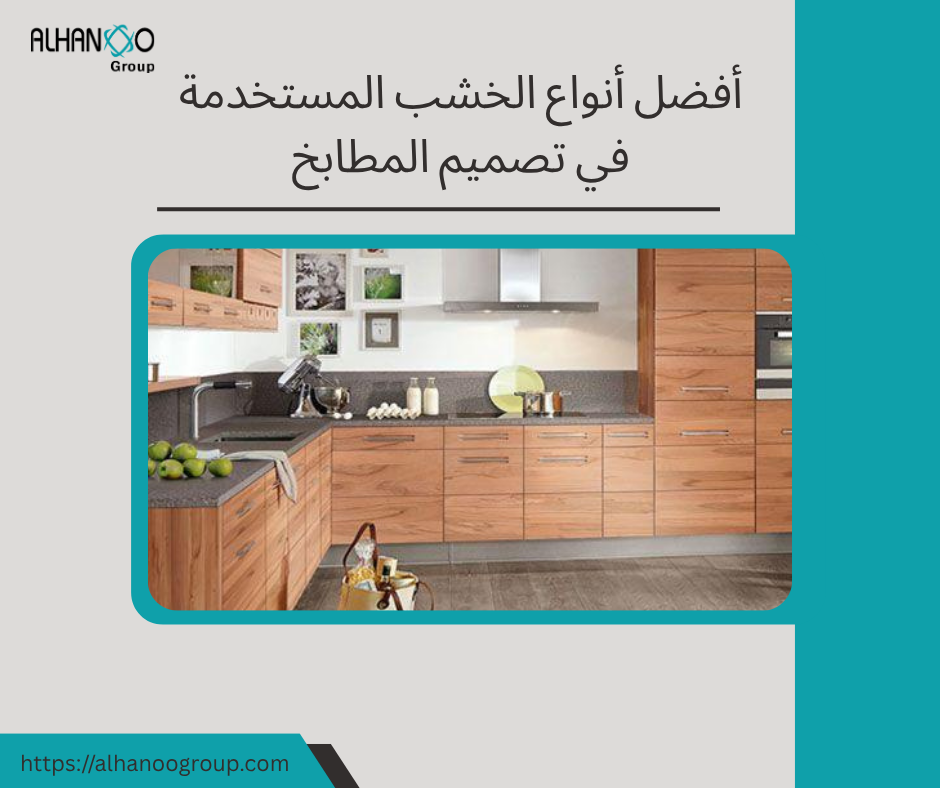
Compared to acrylic, HPL is less glossy but more resistant to scratches. Compared to wood, it is easier to maintain and more affordable, although it is generally considered less luxurious in appearance.
This is where interior kitchen design becomes important in selecting the right material according to the user’s needs and the nature of everyday use.
HPL is an ideal option for people who want a practical kitchen that can withstand daily use without requiring constant maintenance.
It is also suitable for large families or busy kitchens because of its strong resistance to scratches and moisture.
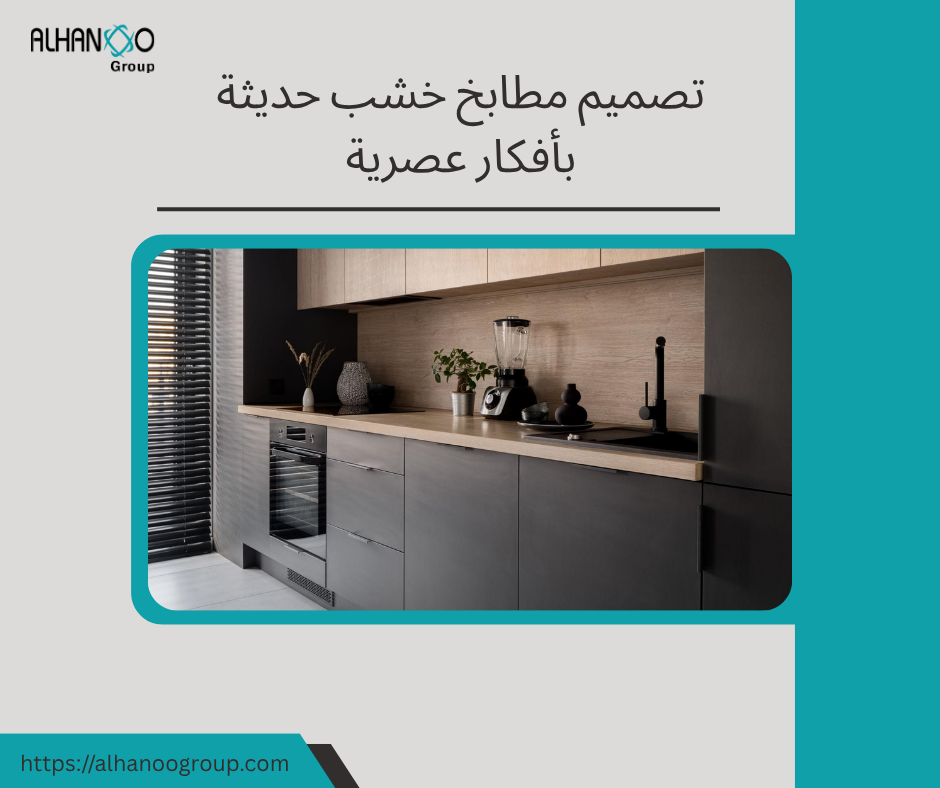
HPL is especially recommended for modern and minimalist kitchen designs, where its appearance stands out more clearly. With good interior kitchen design planning, it is possible to make the most of this material.
When choosing an HPL kitchen, it is important to check the quality and thickness of the material, as this directly affects its lifespan.
It is also recommended to work with specialized technicians to ensure proper edge installation and prevent water leakage.
Choosing colors that match the available space and lighting is equally important, as this helps highlight the beauty of the design.
The role of interior kitchen design should not be overlooked either, as proper layout planning makes the kitchen more practical and easier to use on a daily basis.
In general, HPL is suitable for most homes, especially for those looking for a practical and cost-effective solution. However, it may not be the first choice for people who prefer classic luxury.
Still, it can be combined with other materials to create a distinctive look that balances modernity and elegance, which depends greatly on the quality of interior kitchen design.
It is a type of high-pressure laminate known for its durability and resistance to scratches and moisture.
Yes, it has good moisture resistance, but proper installation is necessary to prevent water leakage.
That depends on the intended use. HPL is more practical and easier to maintain, while wood offers a more luxurious appearance.
In most cases, no. The damaged part usually needs to be replaced completely.
Yes, especially when combined with suitable colors and a smart design that maximizes the available space.