The Best Types of Wood for Kitchens and How to Choose the Right One
8-4-2025
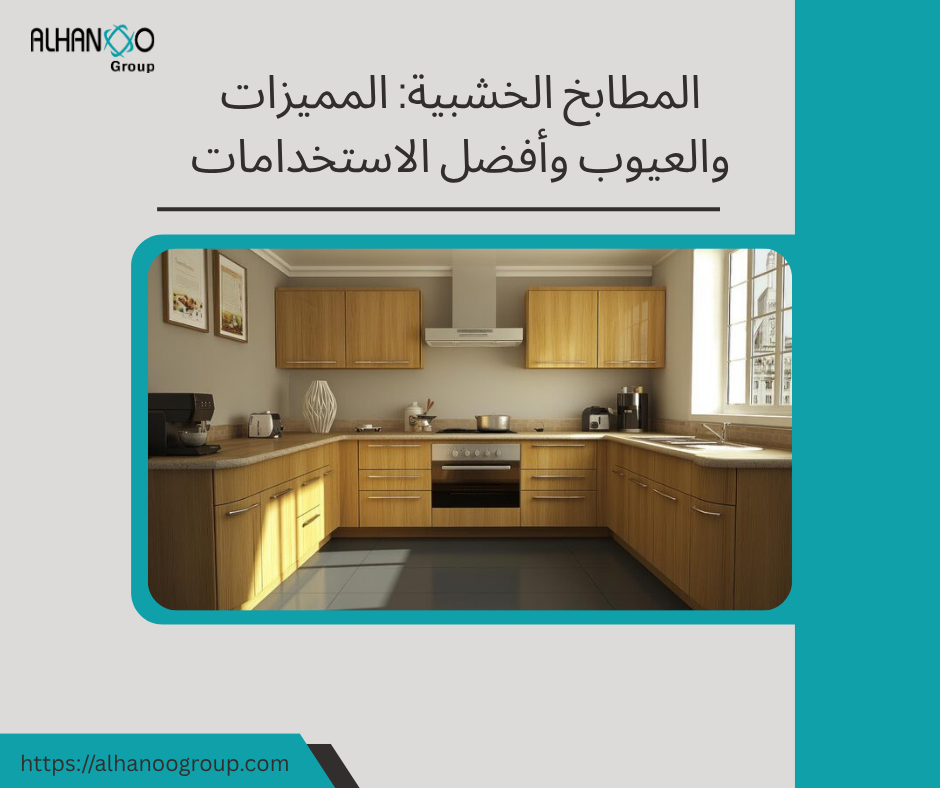
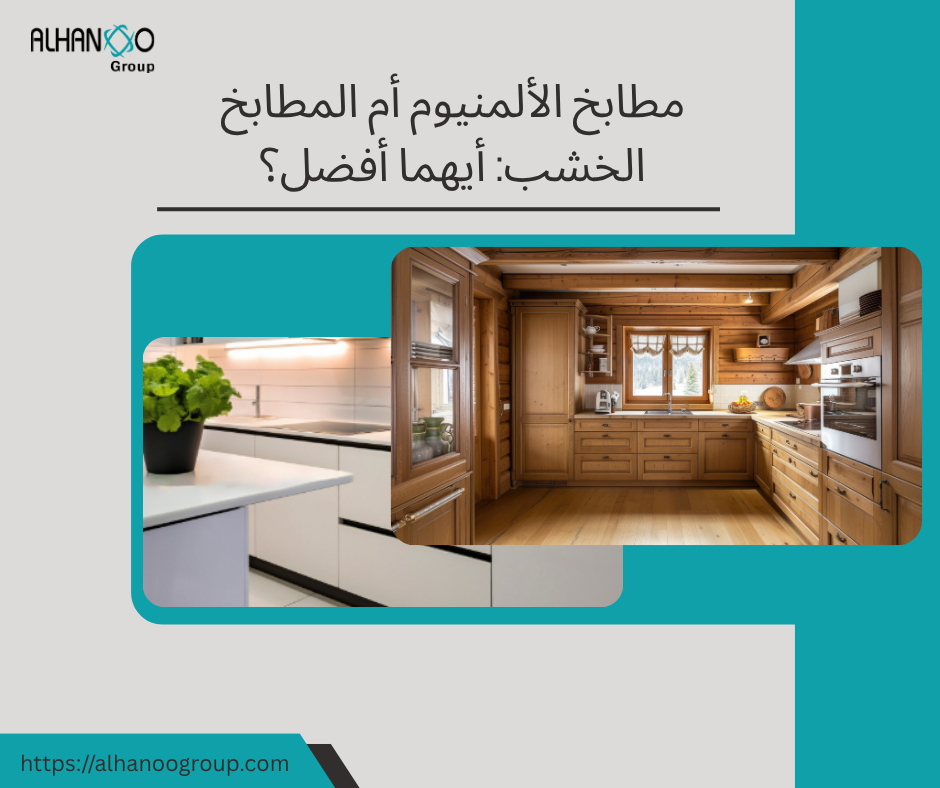
Wooden kitchens are among the most popular choices in the world of interior design, thanks to their warm character and timeless classic elegance. Despite the emergence of many modern alternatives, wood has maintained its position as a preferred option for many homeowners, especially for those seeking both luxury and visual comfort. This is where interior kitchen design plays a key role in highlighting the beauty of wood and using it in a practical way that suits different spaces.
Wood is a natural material that brings warmth and comfort into the home, making it an ideal choice for kitchens, often considered the heart of the house. It is also distinguished by its variety of textures, finishes, and colors, allowing it to be used in multiple styles, whether luxurious classic kitchens or modern designs with a simple touch.
In addition, relying on well-planned interior kitchen design helps utilize wood in a smart way that combines beauty and functionality without causing visual clutter or restricting movement.
One of the most notable advantages of wooden kitchens is the refined aesthetic they bring to the space. Wood provides a sense of luxury that is difficult to achieve with other materials. It is also highly durable, especially when high-quality types are used and properly treated.
Flexibility in design is another key strength, as wood can be easily shaped to suit different tastes. With professional interior kitchen design, it is possible to achieve a perfect balance between storage space and visual appeal.
Wood also acts as a نسب relatively good heat insulator, making it suitable for kitchen environments exposed to varying temperatures. Additionally, it can be easily renewed through repainting or polishing, which extends its lifespan compared to some other materials.
Despite their many advantages, there are some drawbacks to consider. Wood can be affected by high humidity if it is not properly protected, which may lead to damage over time.
Its cost can also be higher compared to alternatives such as aluminum or MDF, especially when choosing high-quality natural wood.
Another drawback is the need for regular maintenance to preserve its appearance, which may be inconvenient for some users. This highlights the importance of choosing interior kitchen design that minimizes wood exposure to factors such as water and heat.
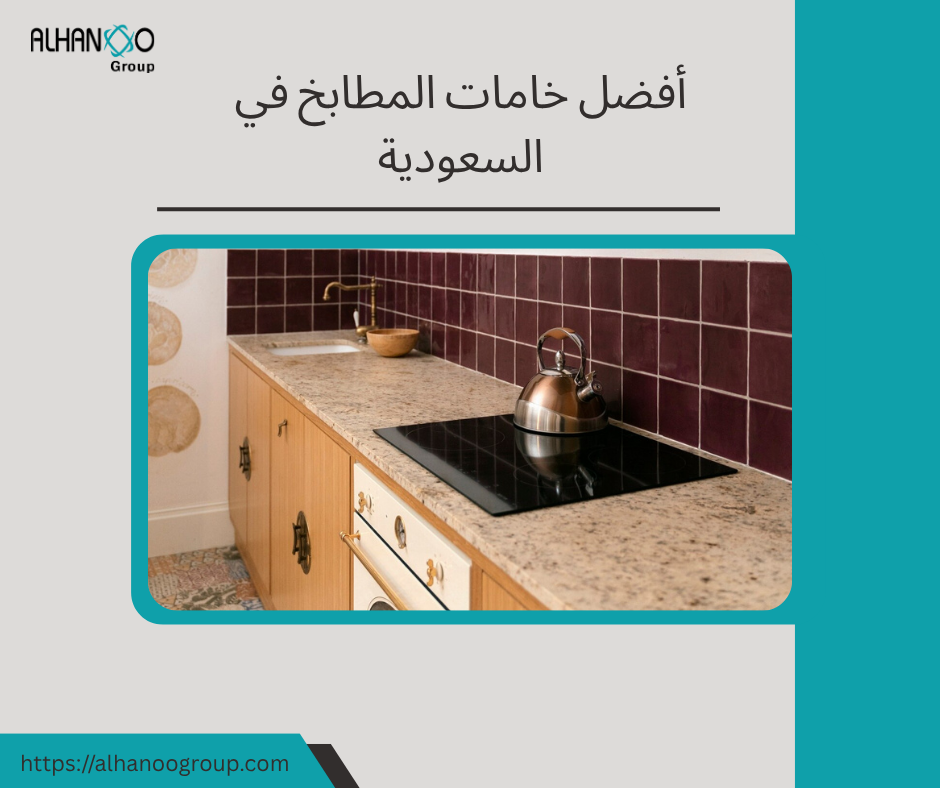
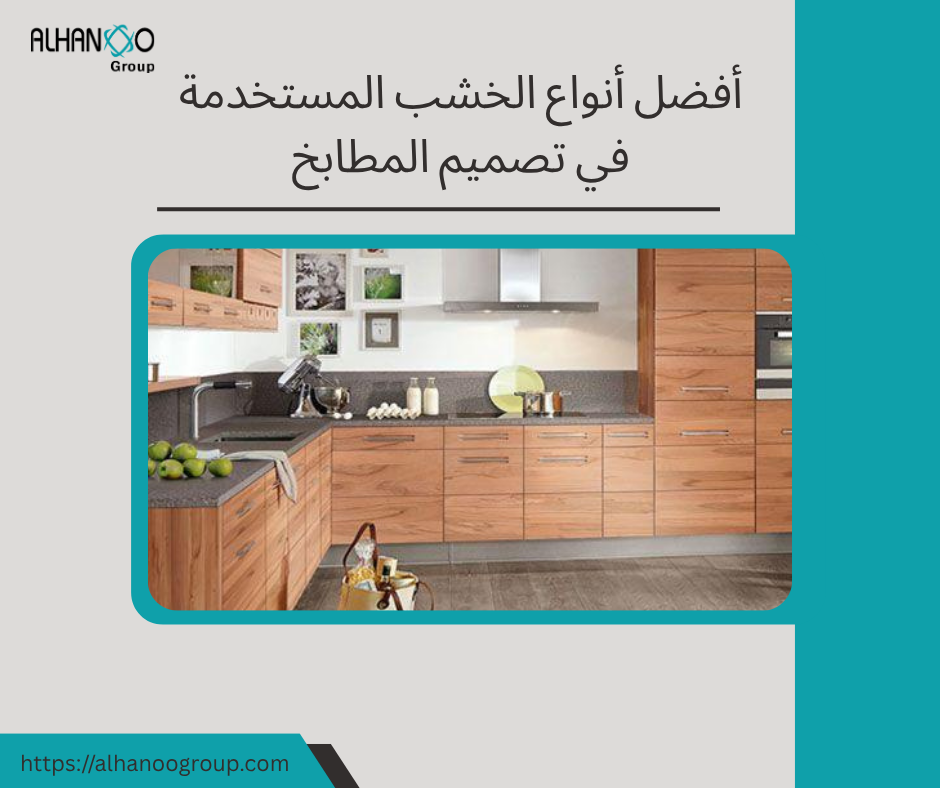
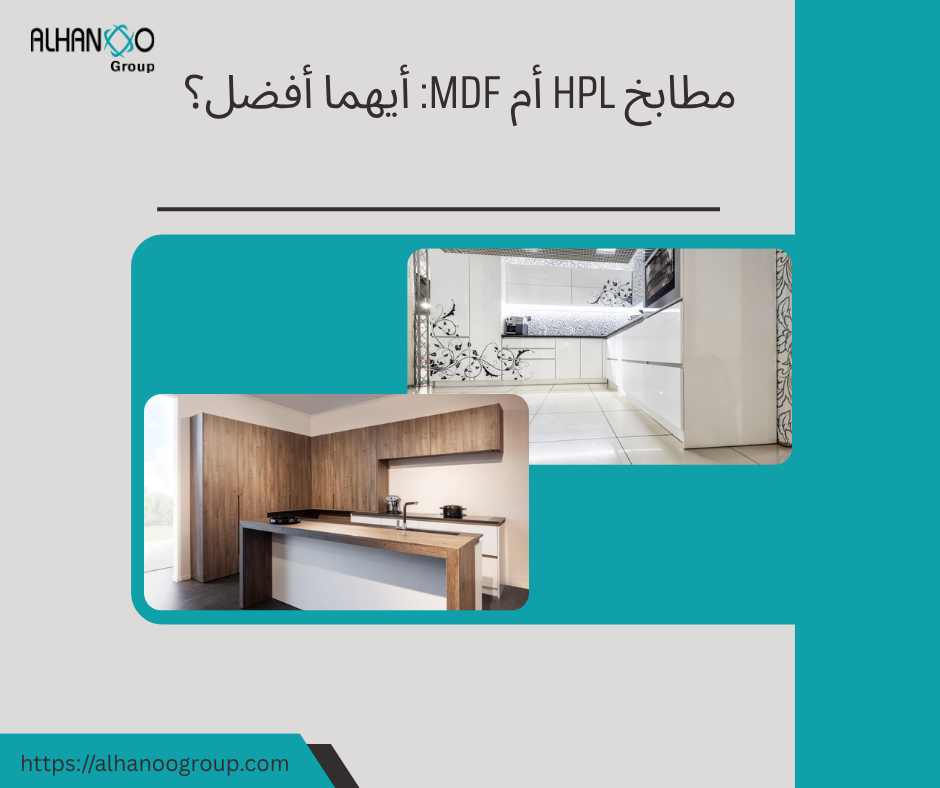
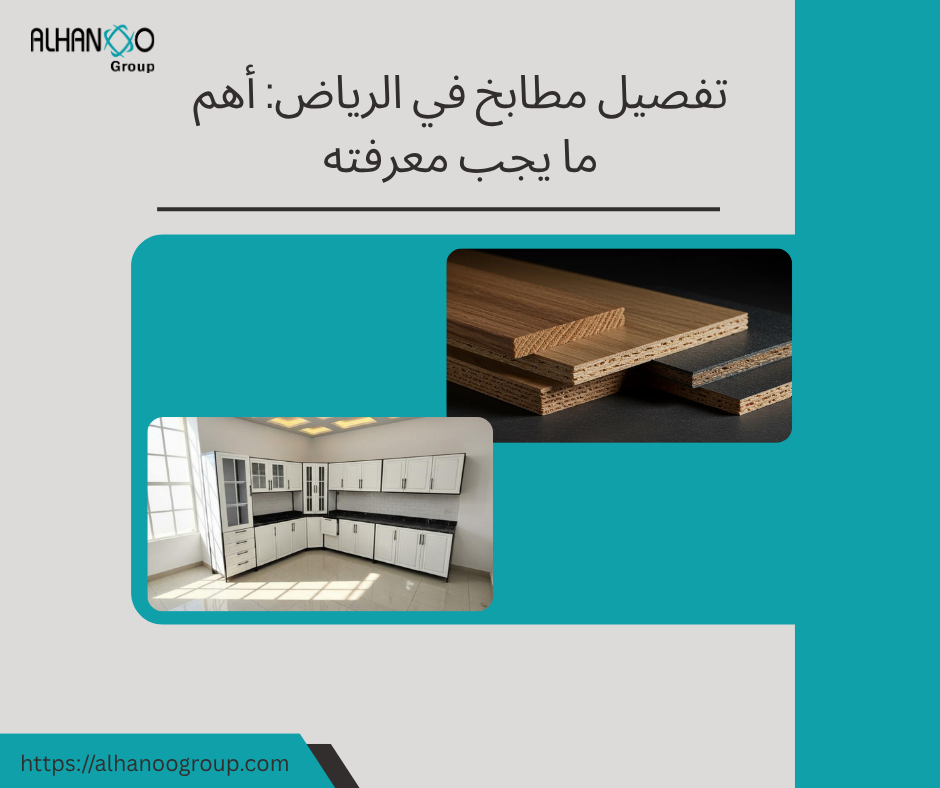
There are various types of wood used in kitchens, each with its own characteristics. Among the most popular are natural woods such as beech and oak, known for their strength and durability. There are also engineered wood options such as MDF and HDF, which are more budget-friendly while still offering a good appearance.
Choosing the right type depends on the budget and usage needs, but in all cases, the quality of execution is essential. Interior kitchen design plays a crucial role in maximizing the benefits of the selected materials.
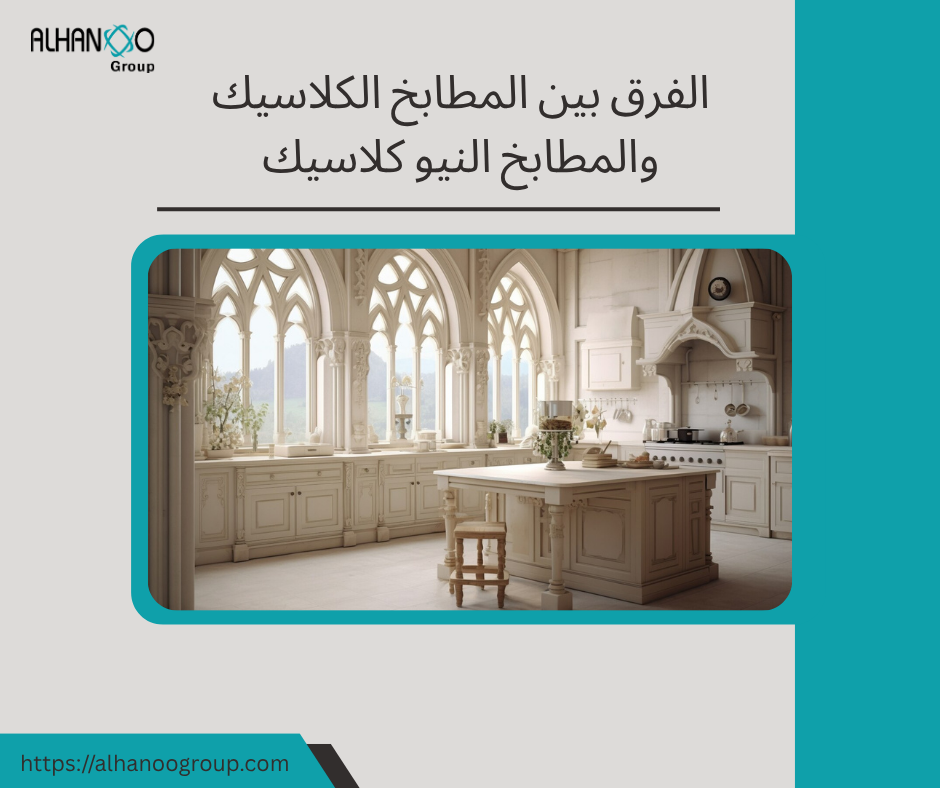
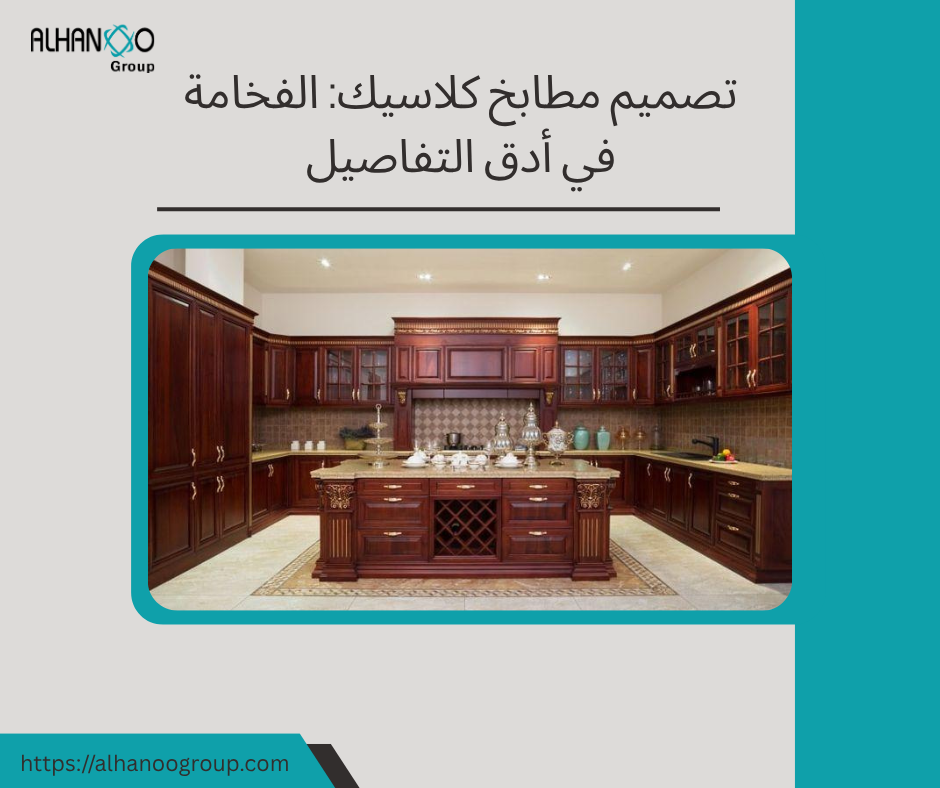
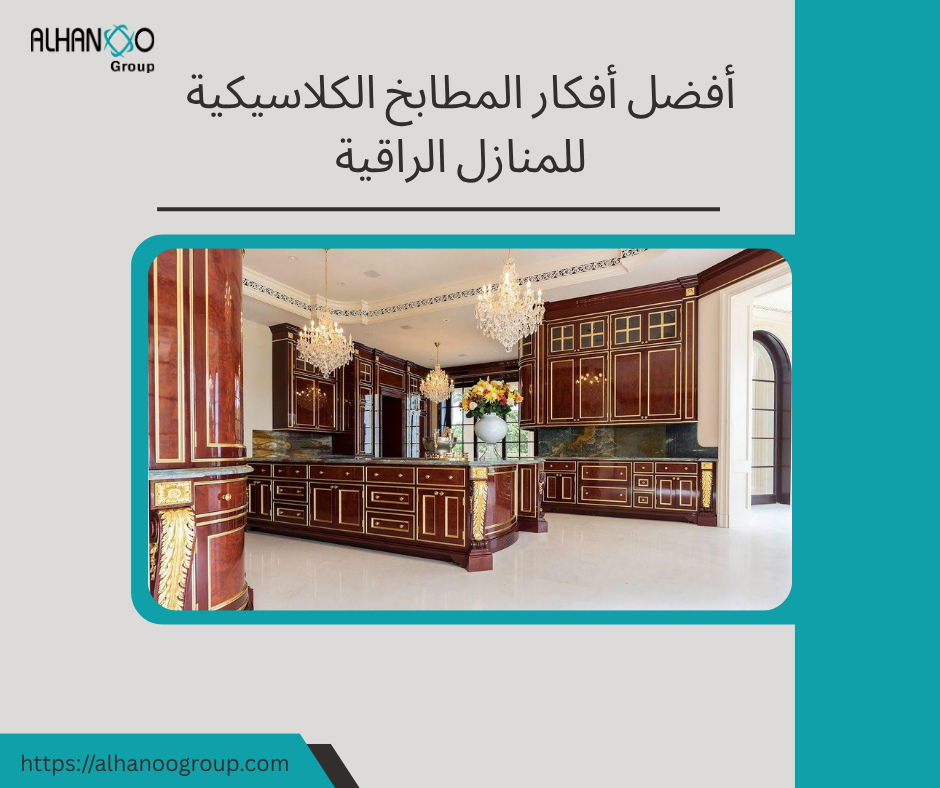
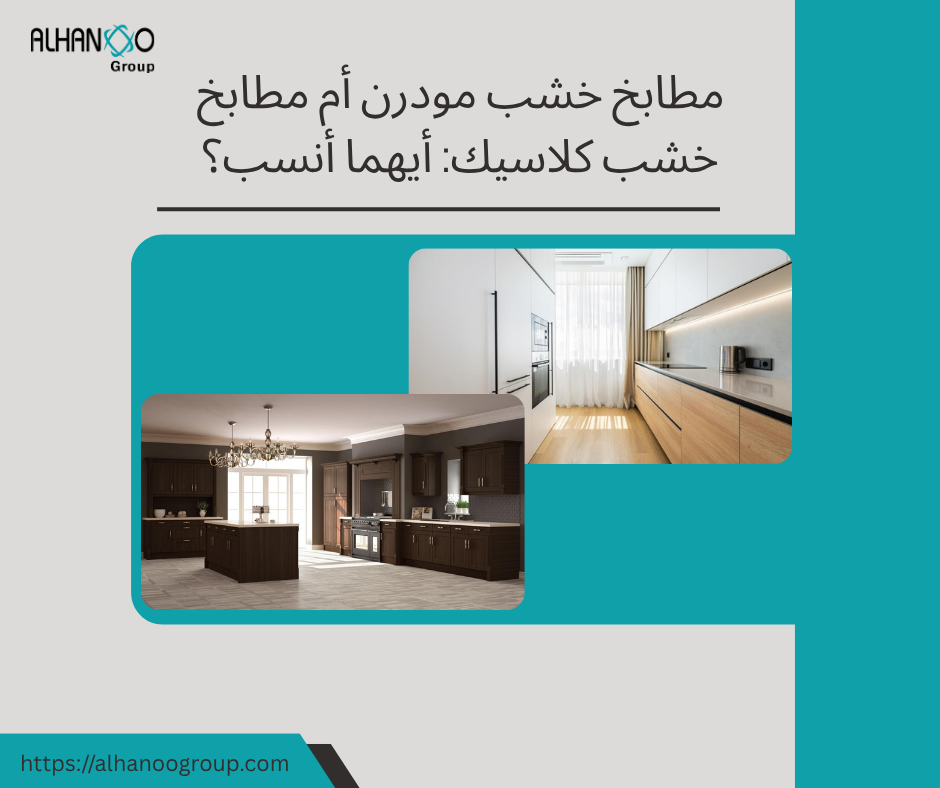
Wooden kitchens are best suited for homes with a classic or rustic style, as wood blends perfectly with these themes. They are also ideal for people who prefer a warm and calm atmosphere at home.
They are especially suitable for larger spaces where the beauty of wood details can stand out without making the area feel crowded. With proper interior kitchen design, they can also work well in smaller spaces while maintaining a sense of openness.
To maintain a wooden kitchen for as long as possible, it is recommended to avoid direct exposure to water and to clean it using suitable products that do not damage the surface.
Using a strong kitchen hood is also advisable to reduce humidity and steam levels. Regular maintenance is important to ensure that hinges and surfaces remain in good condition.
Applying practical interior kitchen design can also help reduce daily wear on wooden surfaces, extending their lifespan and preserving their appearance.
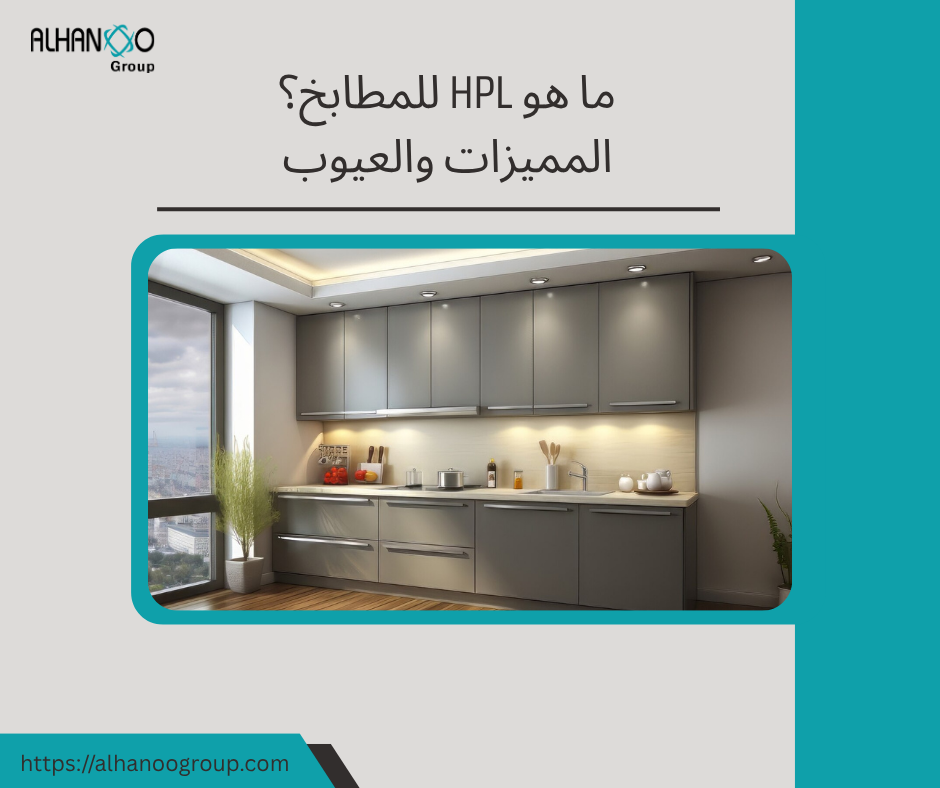
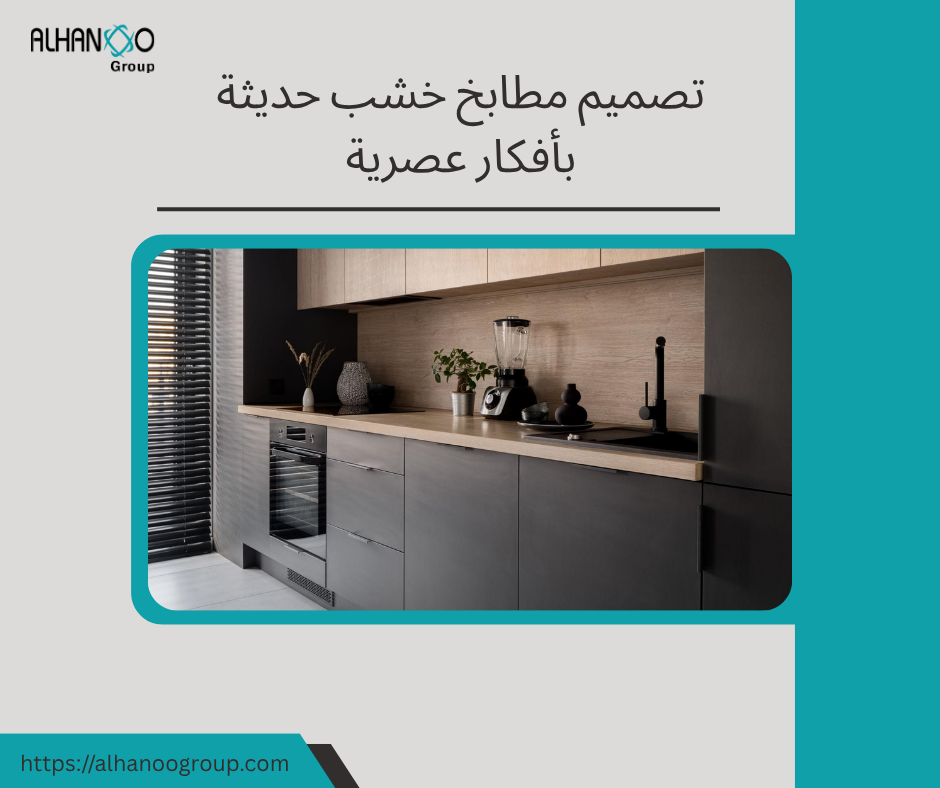
Wooden kitchens are no longer limited to classic styles. They are now also used in modern designs by combining wood with other materials such as glass or metal.
This combination creates a contemporary look while maintaining the warmth of wood. Interior kitchen design is the key factor in achieving this balance, ensuring a well-planned distribution of elements that combines elegance and functionality.
Despite some challenges, wooden kitchens can be very practical when properly designed and executed. Choosing high-quality materials along with a smart layout that considers daily use makes them a comfortable and efficient option.
Regular care also helps maintain their quality and appearance over time, especially when relying on interior kitchen design that ensures ease of movement and cleaning.
Yes, they can last for many years if high-quality wood is used and regular maintenance is carried out.
Yes, but they perform better when properly treated and protected with insulating materials.
Natural wood is more durable and luxurious, while engineered wood is more affordable and easier to shape.
Yes, provided that a smart design is used to make the best use of the available space.
They require periodic care, but it is not complicated if used properly.