Kitchen design has become an art in itself, with a wide variety of styles and approaches to suit different tastes. Among the most popular are classic kitchens and neo-classical kitchens, each with its own advantages and drawbacks. Understanding the difference between them is essential when planning a kitchen that suits your home, enhances the beauty of the space, and ensures practical functionality—especially when considering interior kitchen design.
What Are Classic Kitchens?
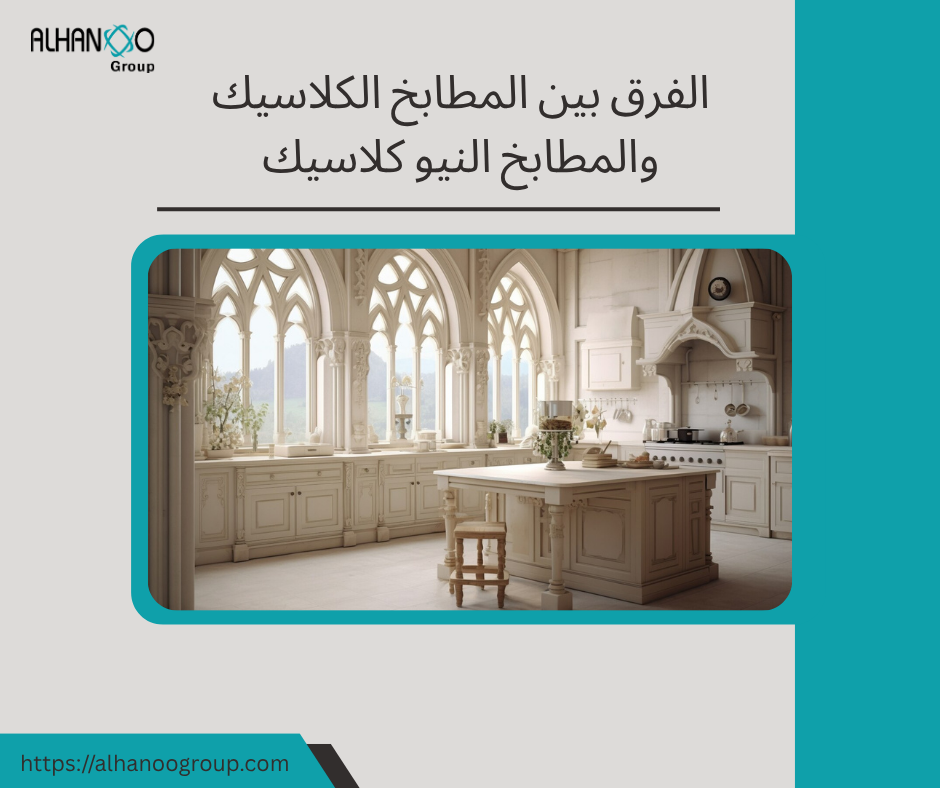
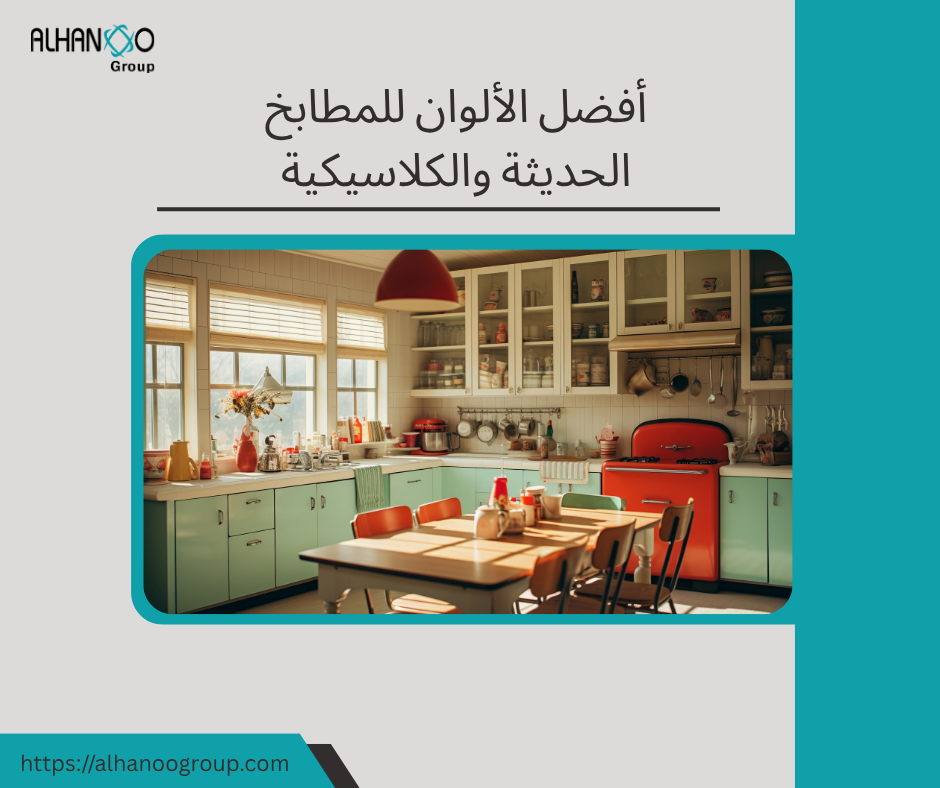
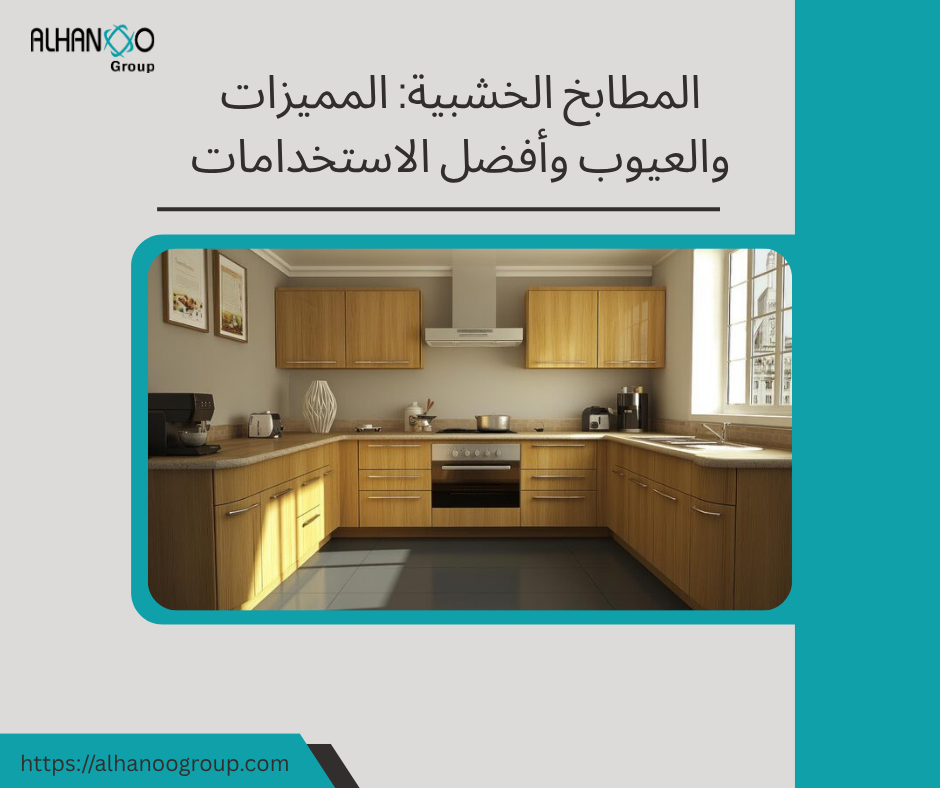
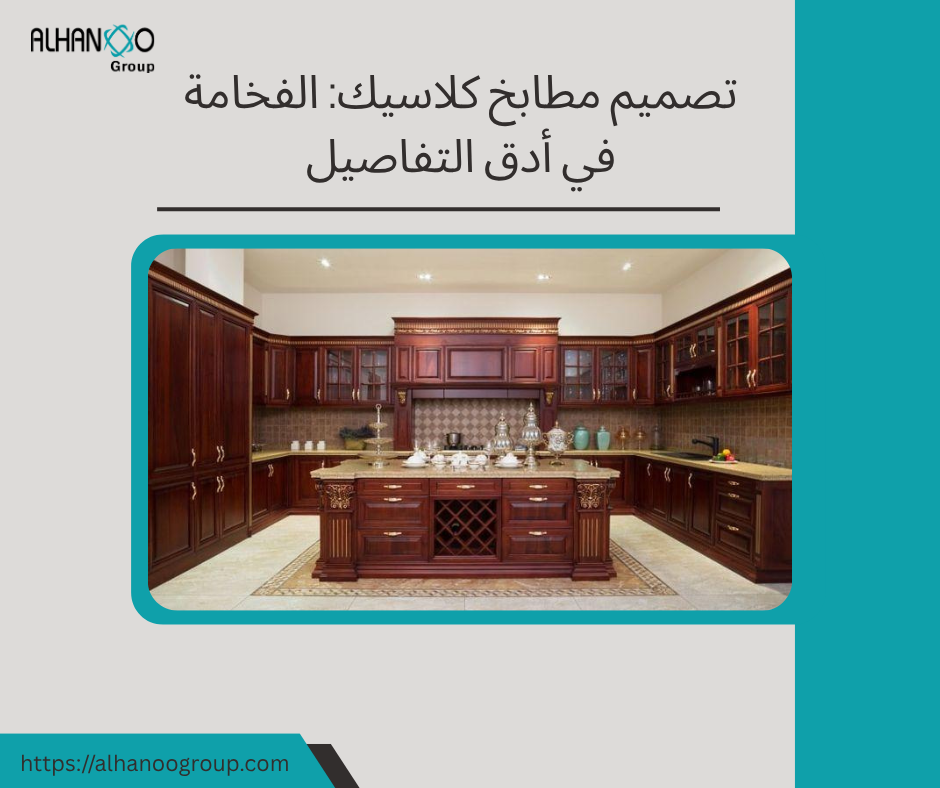
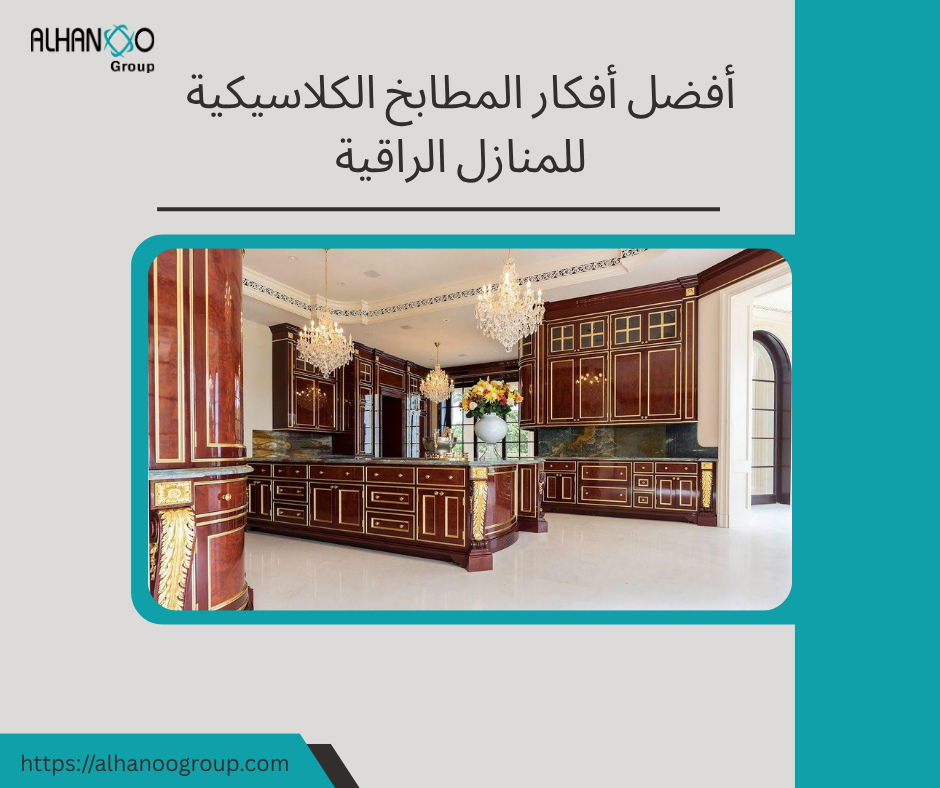
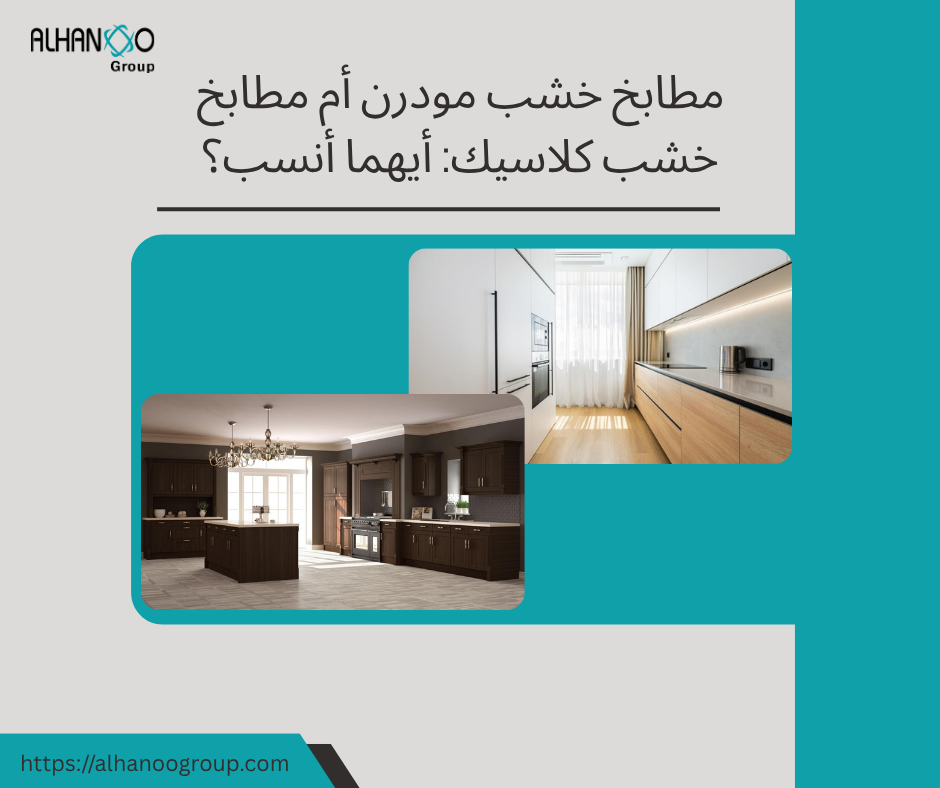
Classic kitchens are characterized by a traditional style with rich decorative details. They typically feature warm colors and natural or painted wood, along with ornamental elements such as carved cabinet doors and decorative moldings.
These kitchens are ideal for those who appreciate a luxurious and elegant look, as they reflect a sense of history and sophistication within the home. In interior kitchen design for classic styles, the focus is on balancing beauty and functionality while paying close attention to fine details.
What Are Neo-Classical Kitchens?
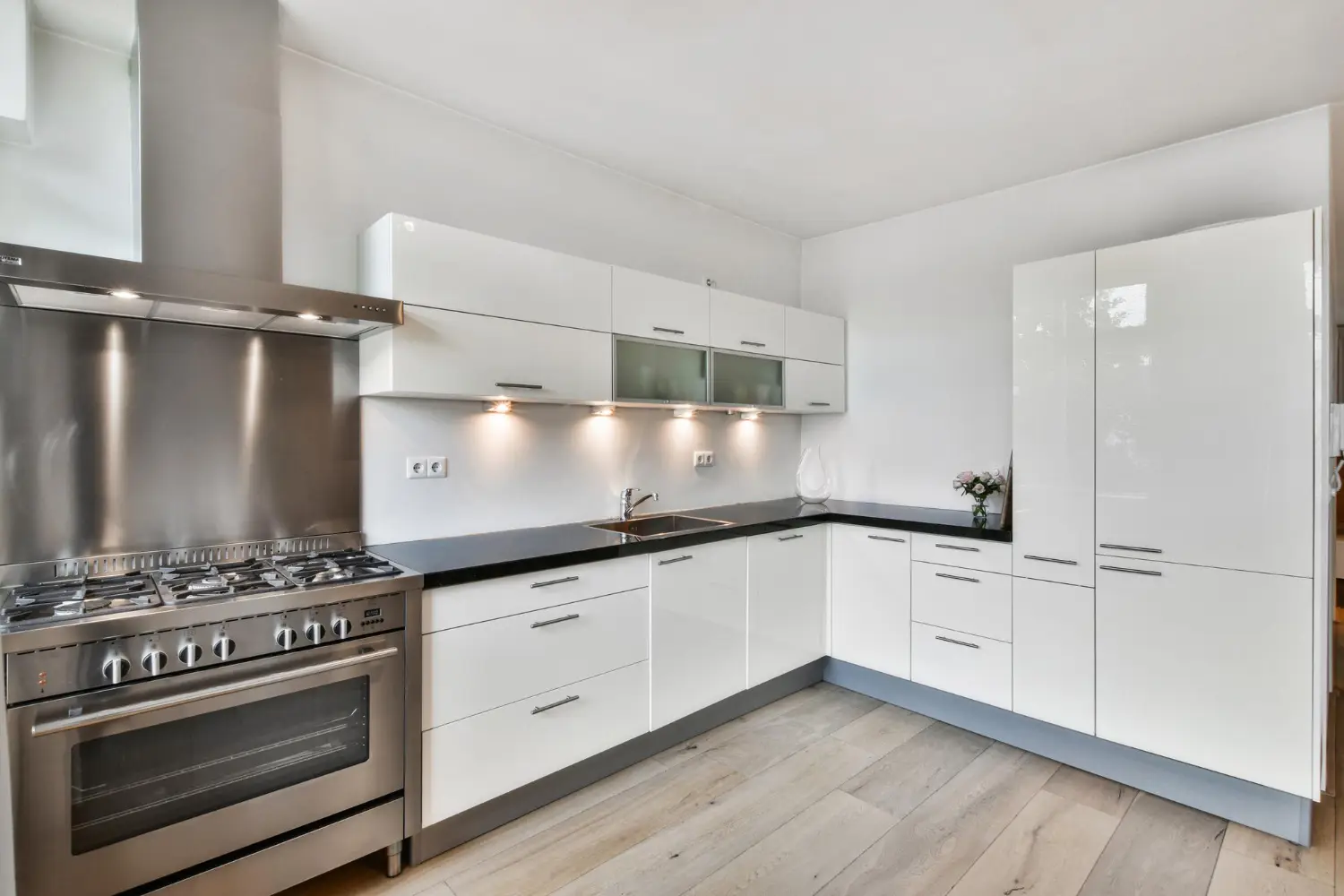
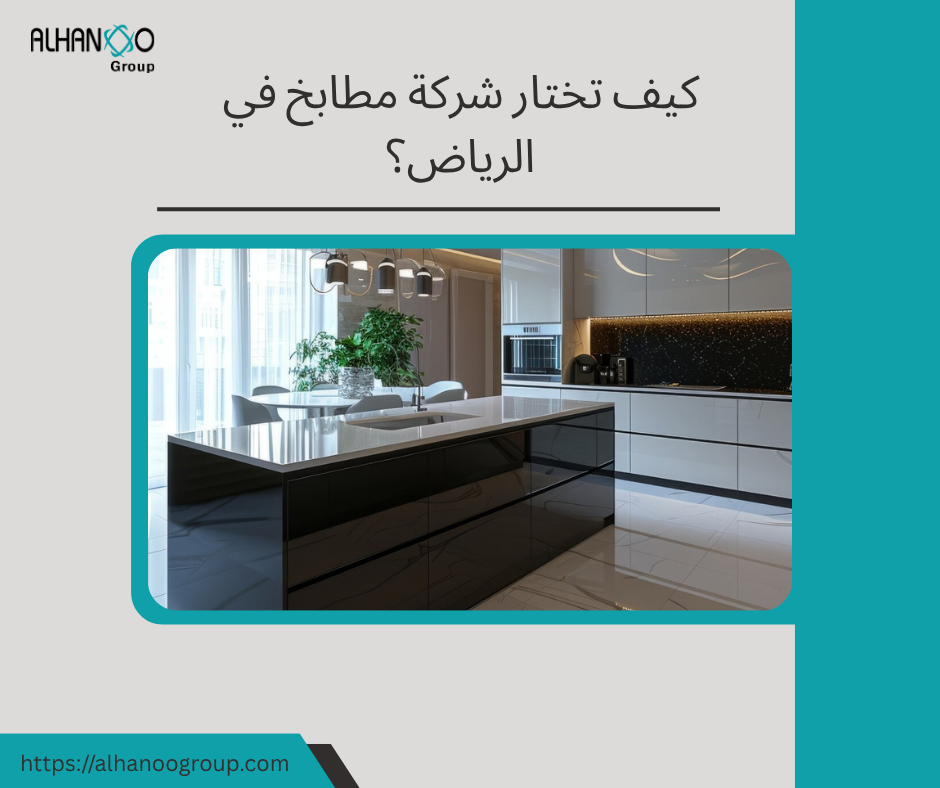
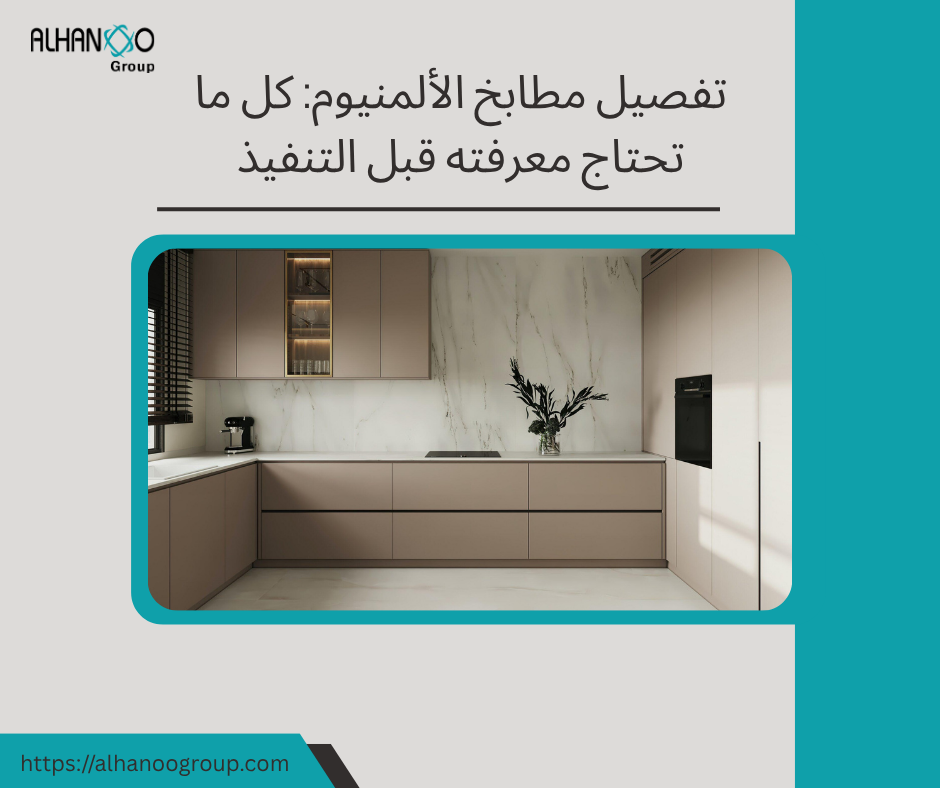
Neo-classical kitchens are a modern evolution of the classic style. They combine the luxury of traditional design with simple modern touches. This style is known for its light or neutral colors, clean lines, and reduced ornamentation, while still maintaining the essence of classic design in cabinetry and furniture.
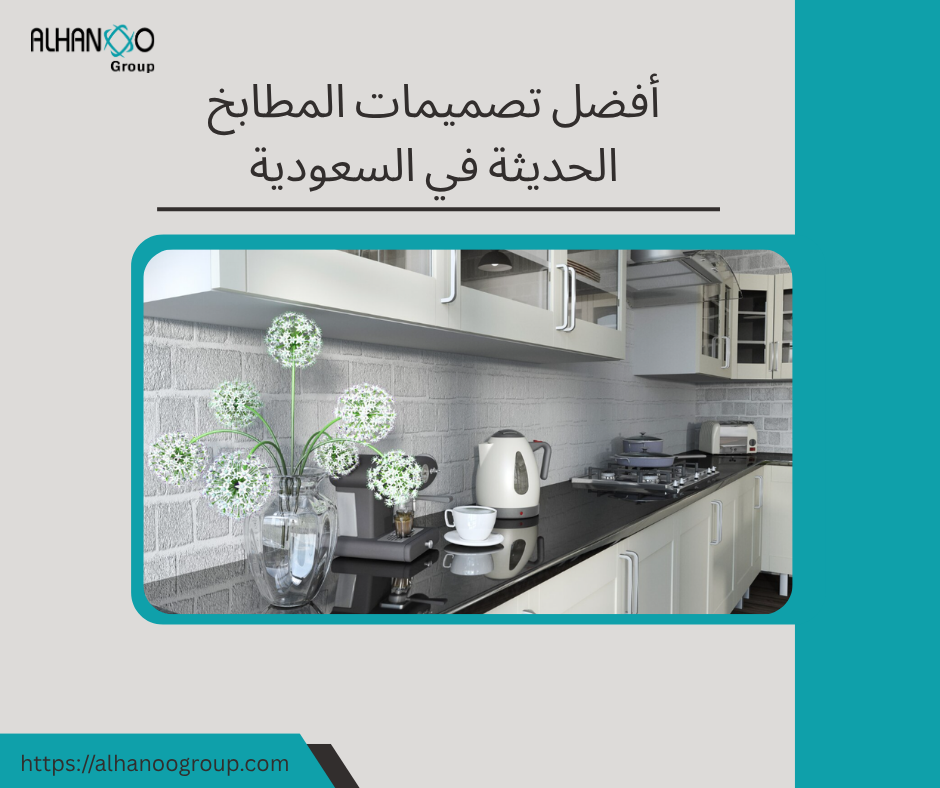
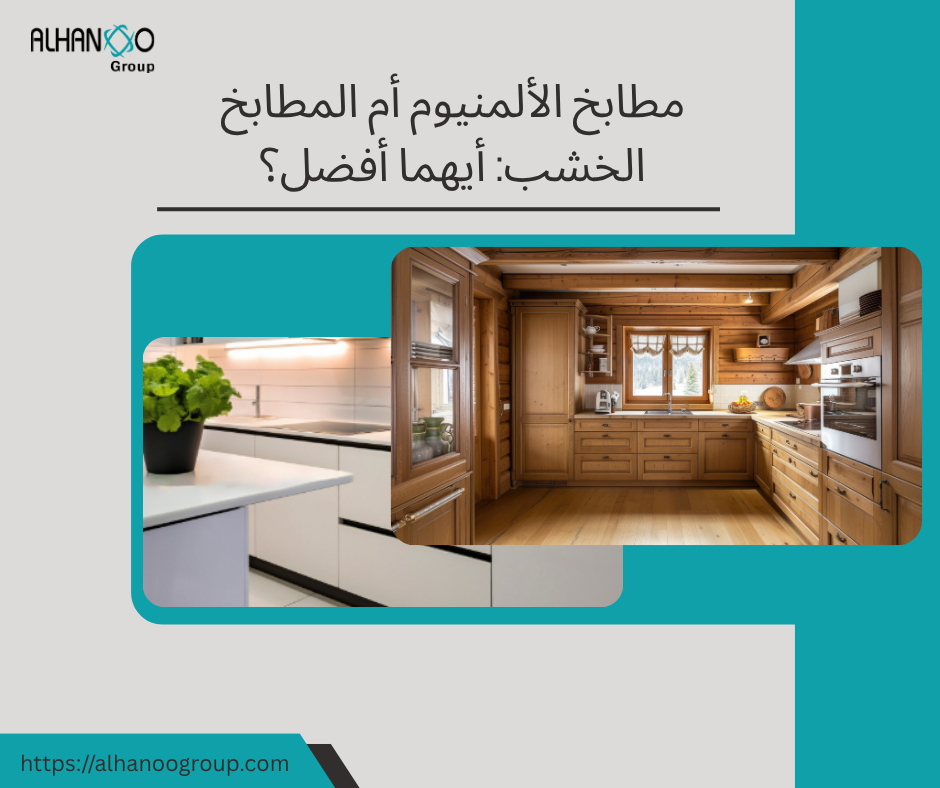
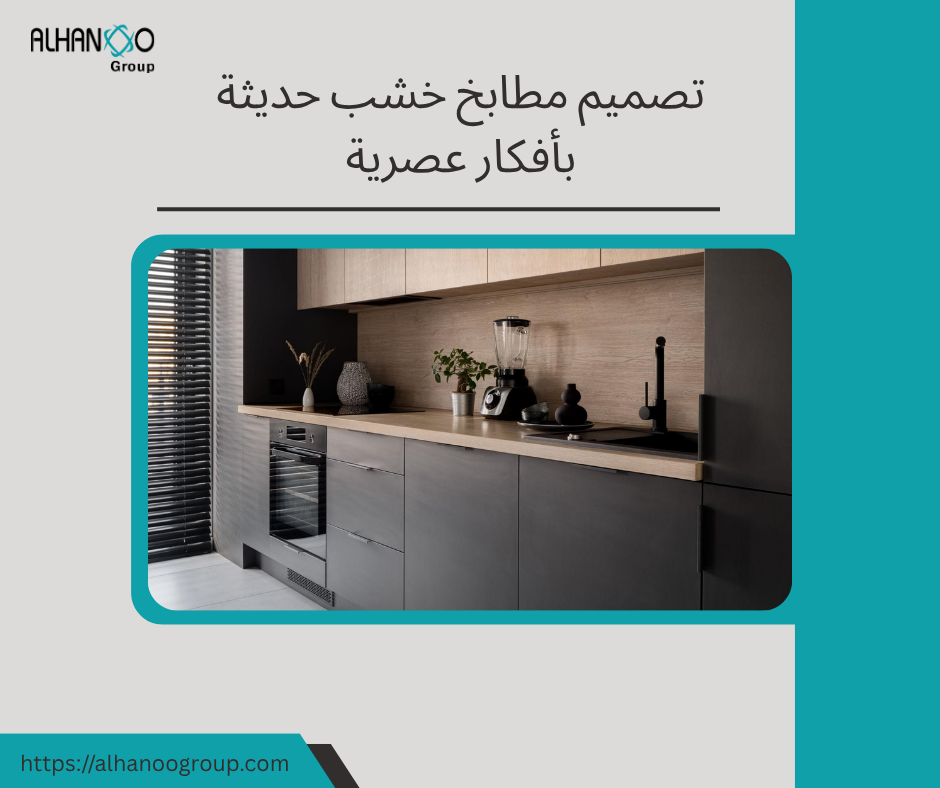
These kitchens often incorporate modern materials such as glass and aluminum alongside wood, giving interior kitchen design a contemporary look that suits families seeking both elegance and practicality.
Key Differences Between Classic and Neo-Classical Kitchens
Decor and Details
- Classic: Rich decorations and intricate carvings on doors and edges.
- Neo-Classical: Minimal ornamentation with clean and elegant lines.
Colors Used
- Classic: Warm and rich colors such as dark brown and ivory.
- Neo-Classical: Light or neutral colors such as white, cream, and light gray.
Materials and Finishes
- Classic: Primarily relies on natural or fully painted wood.
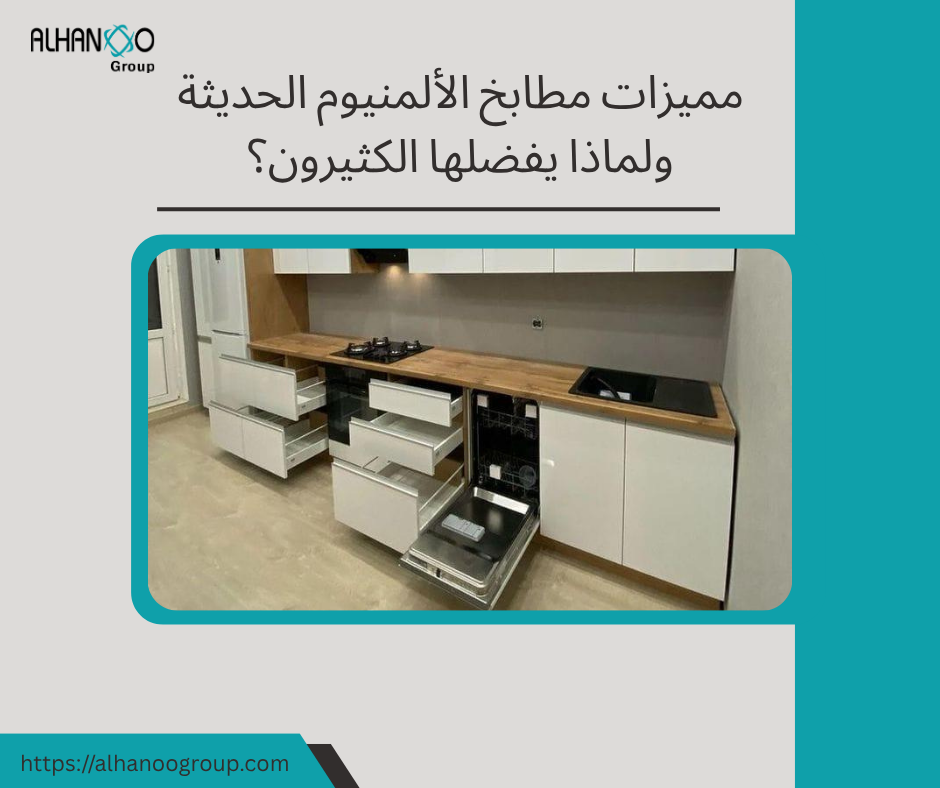
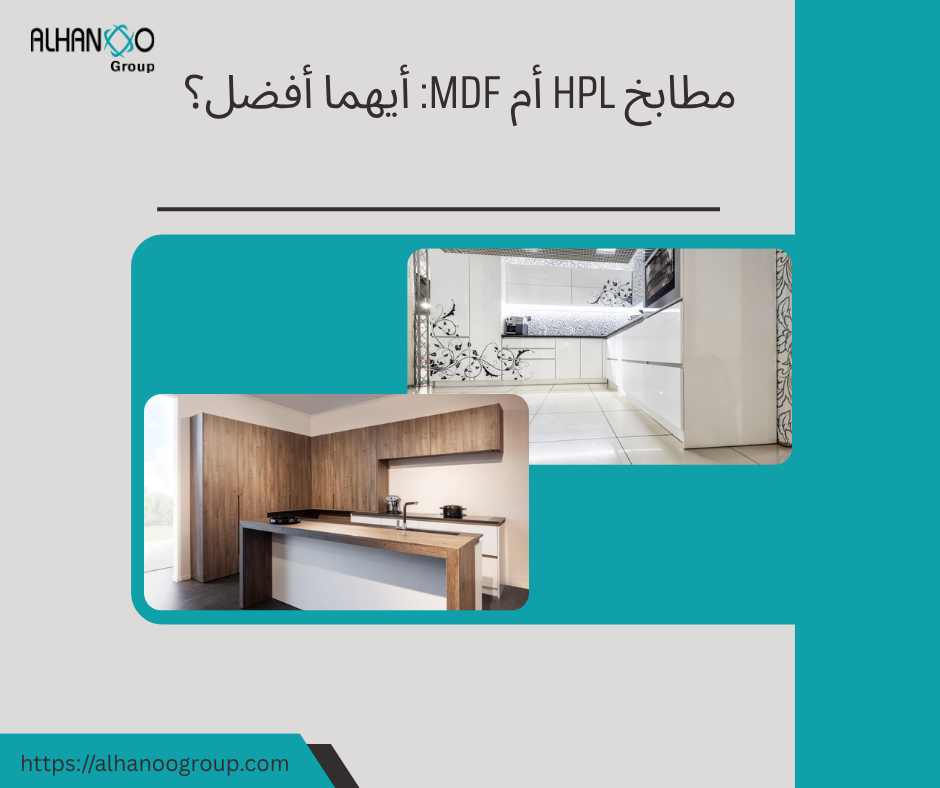
- Neo-Classical: Combines wood with modern materials such as glass, aluminum, or HPL, making maintenance easier while adding a modern touch.
Layout and Space Utilization
- Classic: More fixed layouts with large units and deep drawers.
- Neo-Classical: More practical layouts with smart space utilization and easier movement.
Cost and Maintenance
- Classic: Generally more expensive and requires more maintenance due to detailed craftsmanship and natural wood.
- Neo-Classical: More cost-effective and easier to maintain while still maintaining a luxurious appearance.
Advantages of Classic Kitchens
- Add a sense of luxury and warmth to the kitchen.
- Ideal for those who love traditional and timeless styles.
- Reflect authenticity and refined taste in interior kitchen design.
Advantages of Neo-Classical Kitchens
- Offer a modern feel without losing elegance.
- More practical and easier for daily use.
- Neutral colors make the space feel larger and brighter.
- Suitable for both large and small spaces with smart space utilization.
Disadvantages of Each Style
Classic Kitchens
- Require more maintenance due to natural wood and intricate details.
- Can take up more space compared to modern designs.
Neo-Classical Kitchens
- May not deliver the same deep sense of luxury as traditional classic kitchens.
- Simpler details might feel less ornate compared to full classic designs.
When Should You Choose Classic or Neo-Classical?
If you are looking for a kitchen that highlights luxury, tradition, and detailed craftsmanship, then classic kitchens are the ideal choice.
If you prefer a kitchen that is modern, elegant, and practical at the same time—with easier cleaning and maintenance—then neo-classical kitchens are the better option.
Tips for Designing a Classic or Neo-Classical Kitchen
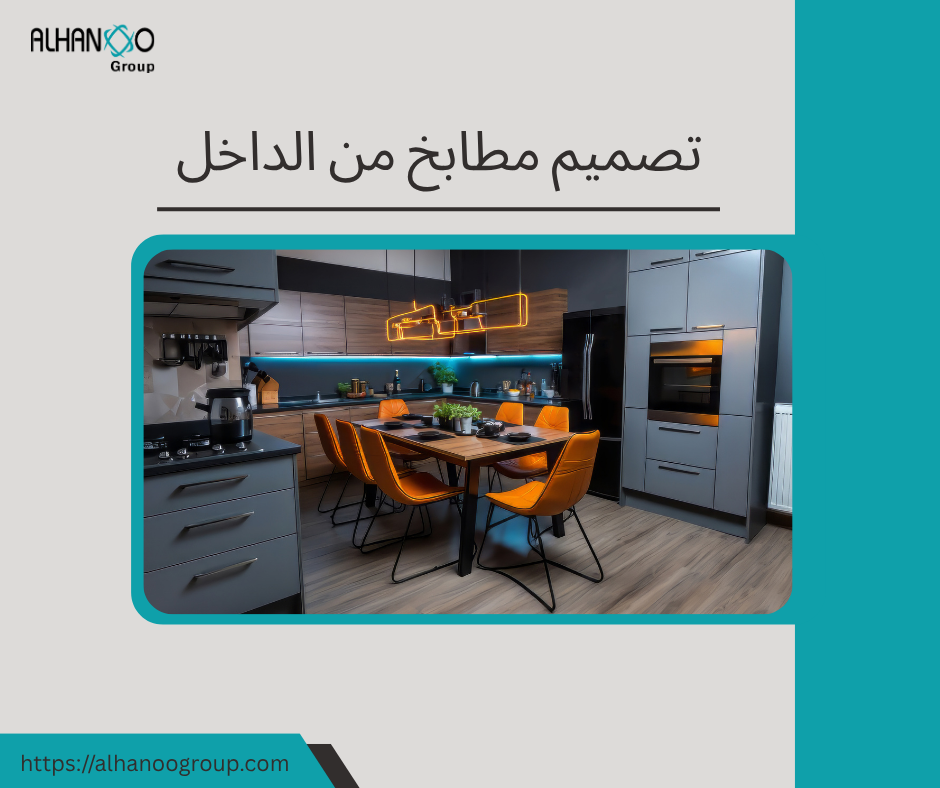
- Work with a professional designer to ensure a well-balanced and functional interior kitchen design.
- Choose colors that match the overall decor of your home to enhance the kitchen’s appearance.
- In neo-classical designs, combine materials to achieve a balance between luxury and practicality.
- Plan smart storage solutions to reduce clutter and improve movement.
- Ensure proper lighting to highlight design details, whether classic or neo-classical.
Frequently Asked Questions
What is the difference between classic and neo-classical kitchens?
Classic kitchens feature rich decorations and natural wood, while neo-classical kitchens use clean lines, lighter colors, and a mix of modern materials.
Which type is better for small kitchens?
Neo-classical kitchens are better because they are more practical and use space more efficiently.
Are classic kitchens difficult to maintain?
Yes, they require regular maintenance due to natural wood and intricate detailing.
Can classic and neo-classical elements be combined?
Yes, combining both styles can create a balanced and modern design.
What are the most important tips when choosing between them?
Rely on professional interior kitchen design, choose coordinated colors, and make smart use of available space.